Email Marketing
Spam Traps Explained: Types, Risks and How to Avoid Them
Spam traps are one of the fastest ways to damage sender reputation. Here’s what they are, how they work, the common types, and the practical habits that keep you safe.


Spam traps are one of the fastest ways to damage sender reputation. Here’s what they are, how they work, the common types, and the practical habits that keep you safe.
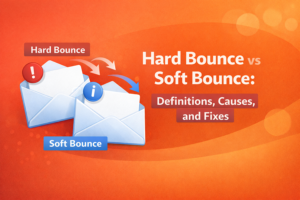
Hard bounces mean “this address is bad.” Soft bounces mean “this delivery attempt failed.” Here’s how to tell the difference and fix bounces before they hurt results.

A high bounce rate is a warning sign you shouldn’t ignore. Here are realistic benchmarks, what they mean, and the exact steps to get your bounce rate under 2%.

Before you hit “Send,” take 15 minutes to clean your list. This checklist shows the exact steps to reduce bounces, protect deliverability, and improve results.
Email verification helps you remove risky addresses before you send reducing bounces, protecting sender reputation, and improving list quality. Here’s how it works and how to use it in real life.

This blog will look at the truth behind these myths and explain why you should pay attention to them.